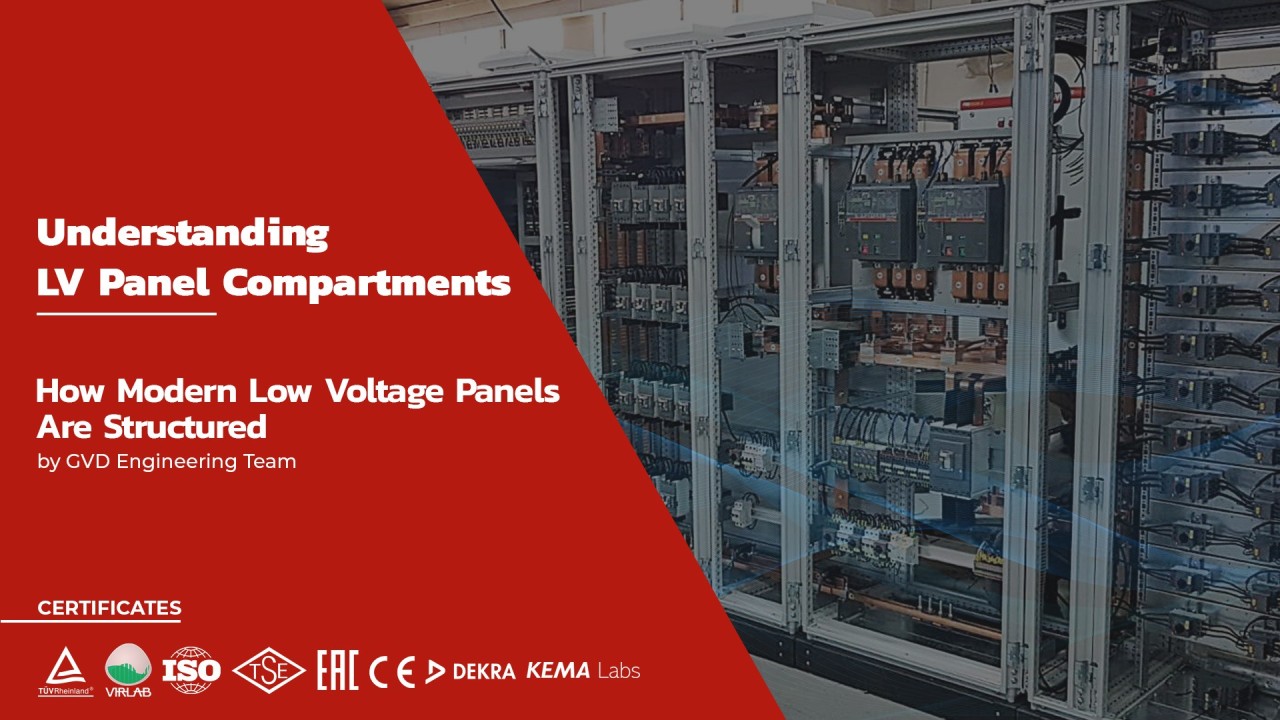
“Understanding LV Panel Compartments” How Modern Low Voltage Panels Are Structured? - by GVD Engineering Team
Every low-voltage panel is built like a carefully engineered building these internal divisions are called compartments, and they exist to ensure safety, maintainability, and fault containment.
According to IEC 61439, compartments help isolate live parts and allow maintenance without shutting down the entire system.
Let’s explore the three key sections that form the backbone of every LV panel design.
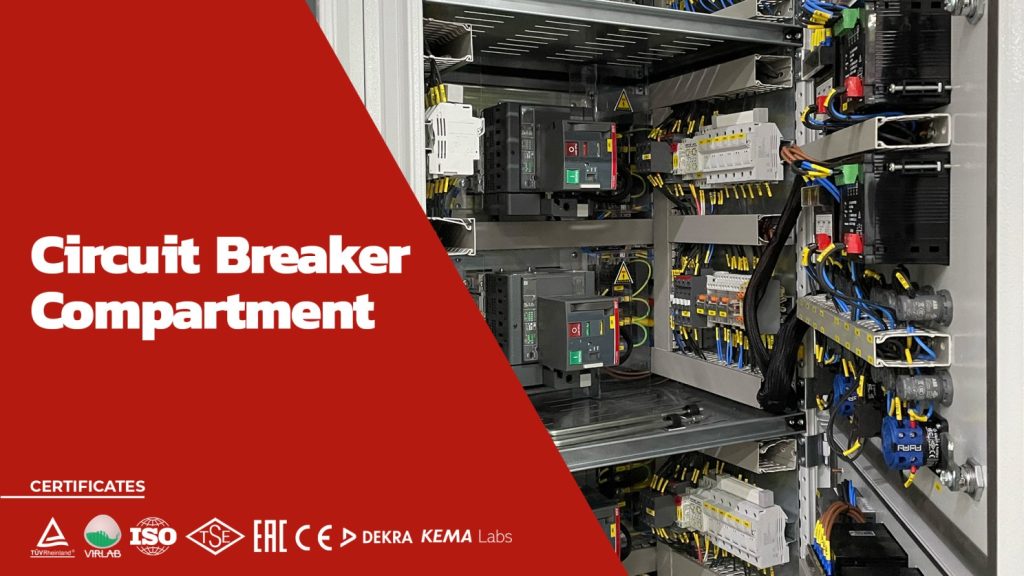
1. Circuit Breaker Compartment
This section houses the incoming and outgoing circuit breakers, either fixed or withdrawable.
It’s the most accessible part for operation and inspection. In GVD’s Premium-XW withdrawable panels, breakers are mounted on sliding chassis, allowing testing and replacement while the rest of the system remains energized. This improves uptime and worker safety.
2. Busbar Compartment
The busbar compartment carries the main current through copper or aluminum conductors. It’s physically separated from other sections to contain faults and minimize thermal rise. IEC 61439 requires clearances and phase barriers to prevent flashovers.
Always check temperature-rise test and short-circuit withstand ratings when evaluating busbar systems.
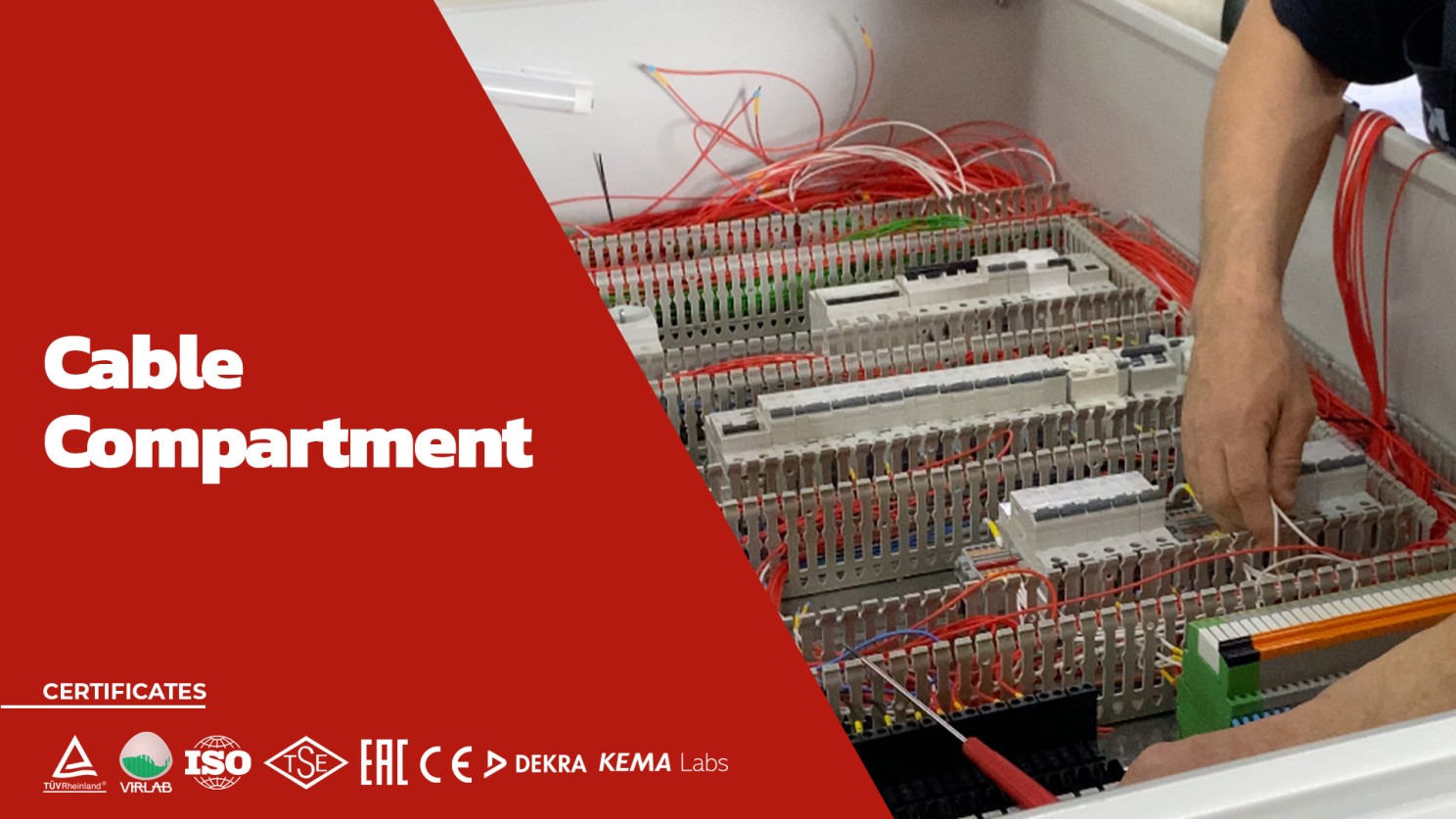
3. Cable Compartment
Located at the rear or bottom, this compartment handles the entry and termination of power cables.
A good design provides enough space for bending radii and gland plates, preventing mechanical stress on cable lugs.
4. The Concept of “Form of Separation”
Forms of separation (Form 1 to Form 4b) classify how compartments are isolated from each other.
- Form 1: No separation
- Form 2: Busbars separated from functional units
- Form 3: Busbars and functional units separated
- Form 4b: Full separation including cables
GVD panels are typically designed as Form 4b, ensuring maximum safety and maintainability for industrial use.
Proper compartmentalization allows safe maintenance, reduces downtime, and prevents fault propagation. For engineers, it’s the foundation of good panel architecture.